About APSOOP
The Asia-Pacific Society of Ocular Oncology & Pathology (APSOOP) is dedicated to advance and promote the practice of ocular oncology and pathology. The APSOOP represents professional associations of ophthalmologists specialized in the management of tumors of the eyelids, conjunctiva, intraocular structures, and orbit. The Society, therefore, has a responsibility for all the patients in the region to protect their lives, regain their eye health, improve their eye function and maintain their eye beauty with updated knowledge and modified skill.
The APSOOP came into being in the increasing attention and demand for the subspecialty of Ocular Oncology & Pathology. Eye tumors are fatal diseases that could cause blindness and appearance impairment. Professional understanding of eye tumor etiology, clinical features and prognosis, and canonical diagnoses and managements of eye tumors are necessary to preserve and restore health, vision, and beauty for the patients.
The mission of the APSOOP is to promote the advancement of ocular oncology and pathology by the encouragement of research, the development of techniques, the improvement of patient care, and the coordination with general ophthalmology, general oncology, ophthalmic pathology, and allied sciences.
Although the APSOOP is still developing, continuous efforts have been performed to provide the highest-level treatment to patients for their healthy lives.
About the President
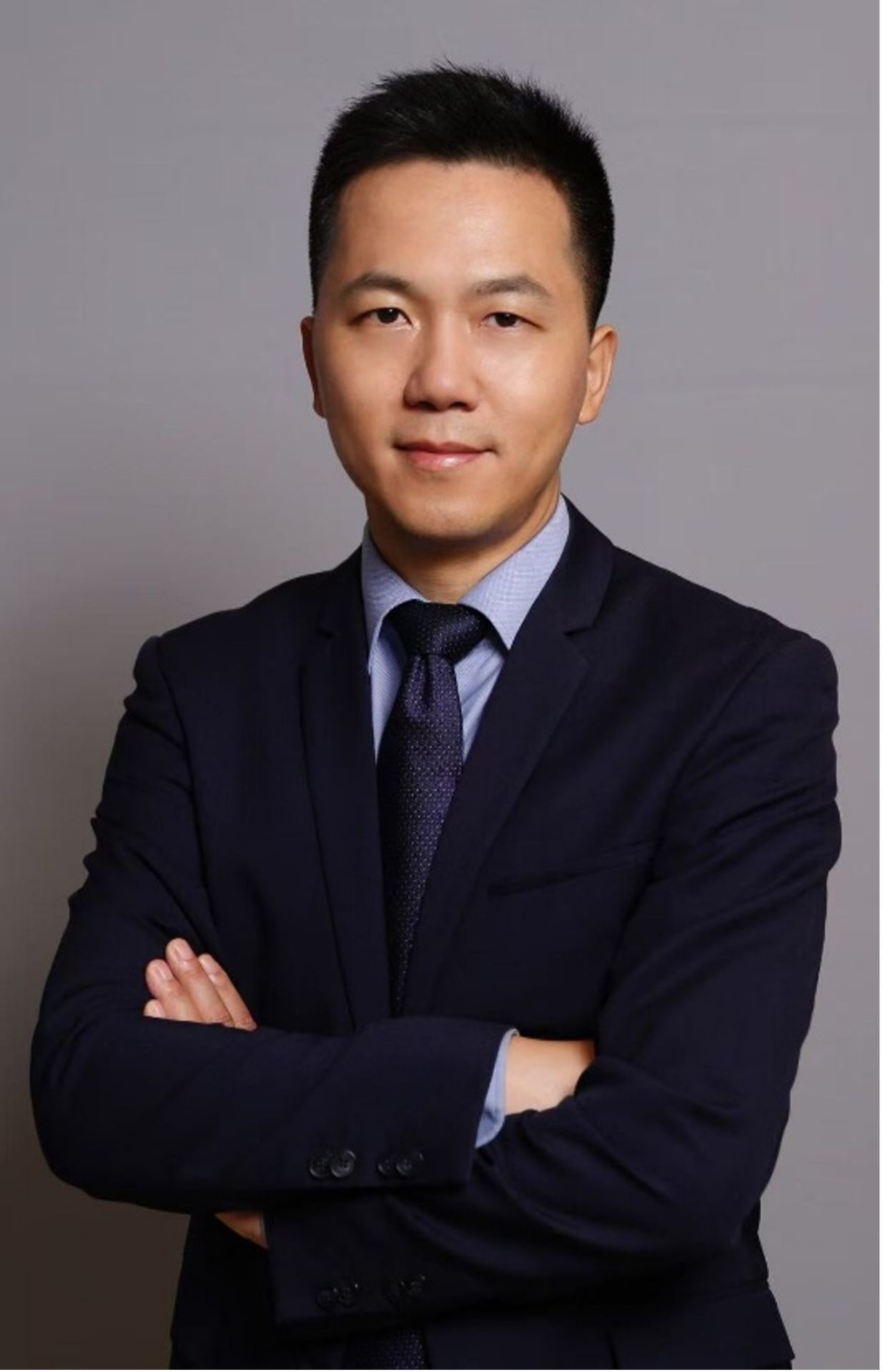 Professor Renbing Jia is Vice President of Shanghai Ninth People’s Hospital, Shanghai Jiao Tong University School of Medicine, and Distinguished Professor at Shanghai Jiao Tong University. As a senior consultant of Ophthalmology and Ph.D supervisor, he has led the development of ocular oncology at Shanghai Ninth People’s Hospital since 2012. His research focuses on the molecular mechanisms and clinical management of ocular malignant tumors, translating discoveries into innovative diagnostics and therapies. His contributions have been recognized with the China Young Oncologist Award and internationally acknowledged, ranking him among the top 0.2% of global ocular oncology experts according to Expertscape 2025.
Prof. Jia is an internationally acclaimed clinician-scientist in ocular oncology, recognized for his pioneering research on the molecular and epigenetic mechanisms underlying ocular malignancies, and for translating these discoveries into clinically actionable diagnostic and therapeutic strategies. He is internationally recognized for his contributions to this field. Prof. Jia has made substantial scholarly contributions with 123 publications as corresponding or first author in peer viewed journals such as The Lancet Child & Adolescent Health, Nature Metabolism, Nature Communications, Science Advances, Cell Discovery, Nucleic Acids Research, Genome Biology, and Ophthalmology. His work has influenced international clinical guidelines and has been recognized by F1000 as “a paradigm of cancer research.” According to Expertscape 2025, he ranks among the top 0.2% of global ocular oncology experts.
Prof. Jia’s scientific excellence has been recognized with numerous prestigious awards, including the National Prize of Science and Technology Progress, Ministry of Education Prize of Science and Technology Progress, ShanghaiPrize of Science and Technology Progress, the Asia-Pacific Academy of Ophthalmology Achievement Award, and the China Young Oncologist Award. Prof. Jia has contributed to the advancement of ocular oncology at institutional, national, and international levels. He has been instrumental in establishing the “Belt and Road” Eye Health Alliance, now comprising 83 institutions across 21 countries, and in leading the national ocular oncology specialty medical consortium, encompassing 370 institutions. Moreover, he spearheaded the “Innovation and Standardized Application of Ocular Oncology Diagnosis and Treatment” project, approved as a National Key Clinical Specialty Construction Project in 2025, which has strengthened standardized clinical practice, multicenter research, and translational capacity across China.